
- English
- Español
- Português
- русский
- Français
- 日本語
- Deutsch
- tiếng Việt
- Italiano
- Nederlands
- ภาษาไทย
- Polski
- 한국어
- Svenska
- magyar
- Malay
- বাংলা ভাষার
- Dansk
- Suomi
- हिन्दी
- Pilipino
- Türkçe
- Gaeilge
- العربية
- Indonesia
- Norsk
- تمل
- český
- ελληνικά
- український
- Javanese
- فارسی
- தமிழ்
- తెలుగు
- नेपाली
- Burmese
- български
- ລາວ
- Latine
- Қазақша
- Euskal
- Azərbaycan
- Slovenský jazyk
- Македонски
- Lietuvos
- Eesti Keel
- Română
- Slovenski
- मराठी
- Srpski језик
What Fabric Is Best for a Basketball Training Hoodie?
Choosing the right fabric for a Basketball Training Hoodie involves balancing comfort, breathability, warmth, durability, and ease of care. This article compares common hoodie materials and explains why a 65% recycled polyester and 35% cotton double-knit blend can be a practical option for team training apparel.
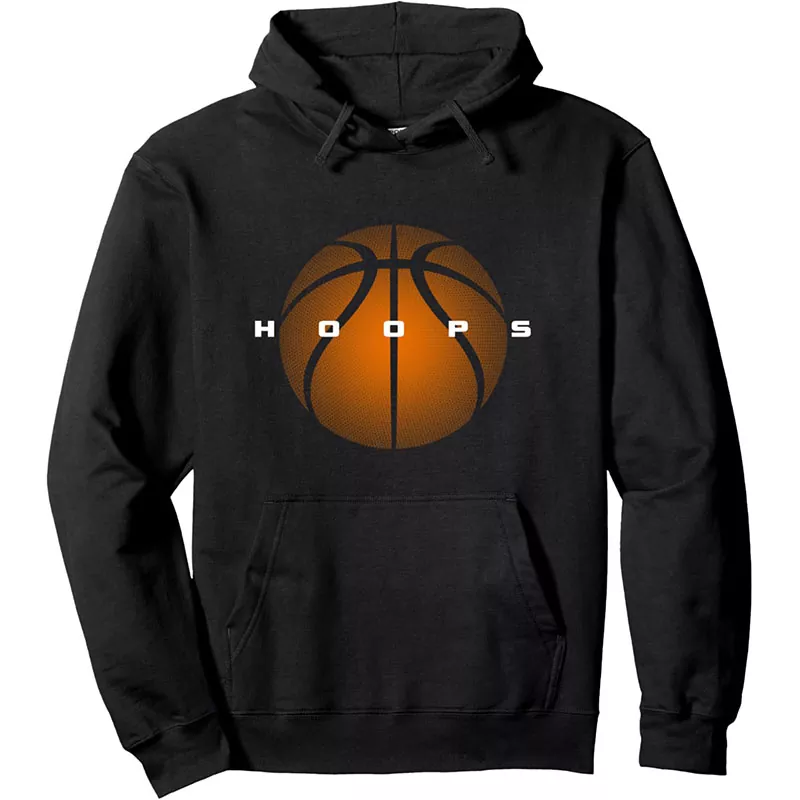
Table of Contents
- What Fabric Is Best for Basketball Training?
- How Do Common Hoodie Fabrics Compare?
- Why Choose Double-Knit Polyester-Cotton Fabric?
- Which Fabric Properties Matter During Training?
- How Does Recycled Polyester Affect Fabric Selection?
- What Should Be Checked Before Production?
- Frequently Asked Questions
What Fabric Is Best for Basketball Training?
The best fabric depends on when and where athletes wear a hoodie. For warm-ups, outdoor practice, and travel between games, the material should provide enough warmth without feeling too heavy. It should also allow comfortable movement during stretching and shooting drills.
Cotton feels soft against the skin, while polyester generally absorbs less moisture and dries faster than cotton. A blend can combine some of these benefits, although the final result also depends on fabric construction, thickness, and finishing.
For teams that need a balance of comfort and everyday durability, a polyester-cotton blend is worth considering. Ningbo QIYI Clothing Co., Ltd. produces sportswear and customized team apparel, including options designed for basketball training and casual team use. Buyers can also explore its basketball apparel range when planning coordinated team clothing.
How Do Common Hoodie Fabrics Compare?
Different fabrics suit different training conditions. Before choosing a material, consider the local climate, activity level, expected washing frequency, and whether the garment will be worn mainly indoors or outdoors.
| Fabric Type | Main Benefits | Points to Consider | Common Uses |
|---|---|---|---|
| 100% Cotton | Soft feel and familiar comfort | Can retain moisture and take longer to dry | Casual wear and light training |
| Polyester-Cotton Blend | Balances softness, durability, and practical care | Performance varies with the blend ratio and fabric structure | Team training and everyday sportswear |
| 100% Polyester | Generally dries quickly and holds its shape well | May feel less cotton-like depending on construction | High-activity sportswear and performance layers |
| French Terry | Loopback interior and a range of fabric weights | Warmth and weight depend on the specific construction | Warm-ups and transitional weather |
| Brushed Fleece | Soft inner surface and greater warmth | Can become too warm during intense exercise | Cold-weather training and sideline wear |
There is no single fabric that works best for every team. A lighter construction may suit indoor sessions, while a heavier or brushed material can be more appropriate for cold outdoor conditions.
Why Choose Double-Knit Polyester-Cotton Fabric?
Double-knit fabric is formed by connecting two sets of knitted loops, creating a structure that can feel more substantial than a lightweight single-knit fabric. Its stability and surface depend on the knitting method, yarn, and finishing process.
QIYI's basketball training style uses a double-knit blend made from 65% recycled polyester and 35% cotton. The polyester component supports shape retention and practical care, while cotton contributes a familiar, soft hand feel. Actual comfort and drying performance should still be assessed from fabric samples rather than inferred from fiber content alone.
Garment details matter alongside the material. Ribbed cuffs and hems help keep the fit in place, while an adjustable drawstring hood allows the wearer to adjust coverage. A kangaroo pocket provides a convenient place for small personal items between drills. Regular fit gives athletes room to move, but sample testing is important to confirm that the cut does not restrict overhead movement.
Which Fabric Properties Matter During Training?
Breathability and Moisture Management
During intense drills, the body produces more heat and sweat. Fabric weight, knit density, and finishing all influence how comfortable a hoodie feels. A heavier fabric may provide more warmth but can feel less comfortable during continuous high-intensity activity. For this reason, many teams use hoodies for warm-ups, cool-downs, and travel rather than as the main layer during a full practice session.
Fabric Weight and Warmth
GSM, or grams per square meter, measures fabric weight. It is useful when comparing samples, but it does not tell the whole story: fiber content, knit structure, and inner finishing also affect warmth and drape. Buyers should confirm the actual GSM with the manufacturer instead of relying on a generic weight range.
Durability and Shape Retention
Team garments may be washed frequently throughout a season. Check whether cuffs and hems recover their shape after stretching, whether seams remain secure, and whether the fabric develops pilling after repeated wear. Washing and drying instructions should be tested against the care routine expected by the end user.
Printing and Decoration
Team logos, player names, and sponsor graphics can affect fabric selection. The decoration method should be compatible with the fiber blend and surface. Before bulk production, test the intended print, badge, or transfer for adhesion, color consistency, and performance after washing. If the garment uses several logo placements, inspect each position on the finished sample.
How Does Recycled Polyester Affect Fabric Selection?
Recycled polyester can reduce reliance on virgin polyester, depending on the source and production process. In QIYI's stated fabric composition, recycled polyester accounts for 65% of the blend, alongside 35% cotton. Recycled inputs may include recovered manufacturing waste or post-consumer materials, depending on the specific supply chain.
For procurement teams, the percentage alone is not enough to establish a sustainability claim. Ask for material declarations or relevant supporting documentation, and confirm whether the information applies to the yarn, fabric, or finished garment. Buyers should also check that the material meets their requirements for color, feel, durability, and care.
What Should Be Checked Before Production?
Before placing a bulk order, teams and apparel buyers should review a physical sample under realistic conditions. Ningbo QIYI Clothing Co., Ltd. has production capabilities that include digital printing, automatic laser cutting, sewing equipment, and needle detection. Its workflow covers stages from material inspection to finished-garment checks and packaging.
For a customized Basketball Training Hoodie order, the following checks can help reduce avoidable issues before production begins:
| Inspection Item | What to Check | Why It Matters |
|---|---|---|
| Fabric Composition | Confirm the agreed fiber percentages and material records | Keeps delivered material aligned with the specification |
| Size and Fit | Measure key points and test movement in the sample | Reduces sizing issues across team orders |
| Seams and Ribbing | Inspect seam strength, cuff recovery, and hem shape | Helps the garment withstand repeated use |
| Logos and Badges | Check placement, color, adhesion, and wash performance | Maintains consistent team branding |
| Final Garment | Review measurements, loose threads, cleanliness, and packaging | Catches common problems before shipment |
It is also useful to approve a size set and decoration sample before confirming the full quantity. This gives both sides a clear reference for measurements, color, logo placement, and workmanship.
Frequently Asked Questions
1. Is polyester or cotton better for a basketball hoodie?
Neither is best in every situation. Cotton offers a soft feel, while polyester generally dries faster. A blend can provide a practical balance for warm-ups and everyday team wear.
2. Is double-knit fabric suitable for training?
It can be suitable for warm-ups, cool-downs, and travel. The ideal choice depends on fabric weight, knit structure, temperature, and exercise intensity.
3. What does GSM mean when choosing hoodie fabric?
GSM means grams per square meter and indicates fabric weight. Compare GSM alongside construction and finishing, since weight alone does not determine warmth or comfort.
4. Does recycled polyester change the feel of the garment?
The feel depends on yarn quality, knitting, finishing, and the other fibers in the blend. A physical sample is the most useful way to assess hand feel and appearance.
5. Can team logos and badges be customized?
Customization may include logos, badges, colors, and placement. Confirm the decoration method and approve a sample before bulk production.
6. What should buyers confirm before ordering in bulk?
Confirm fiber content, fabric weight, size chart, color, decoration details, tolerances, packaging, lead time, and inspection requirements. Keep an approved sample as the production reference.
7. How can buyers check the quality of a training hoodie?
Inspect stitching, measurements, cuff recovery, print adhesion, color consistency, and the finished garment after washing. Agree on acceptance criteria before production starts.
Conclusion
For team warm-ups and everyday sportswear, fabric selection should balance comfort, warmth, durability, and care requirements. A double-knit blend of 65% recycled polyester and 35% cotton is one option for buyers seeking a balance between a cotton-like feel and practical performance. The final choice should be based on samples, actual fabric specifications, and the conditions in which athletes will wear the garment.
Ningbo QIYI Clothing Co., Ltd. supports sportswear production and customization for different team requirements. Buyers considering a Basketball Training Hoodie can review the QIYI website and its basketball apparel range for more information.