
- English
- Español
- Português
- русский
- Français
- 日本語
- Deutsch
- tiếng Việt
- Italiano
- Nederlands
- ภาษาไทย
- Polski
- 한국어
- Svenska
- magyar
- Malay
- বাংলা ভাষার
- Dansk
- Suomi
- हिन्दी
- Pilipino
- Türkçe
- Gaeilge
- العربية
- Indonesia
- Norsk
- تمل
- český
- ελληνικά
- український
- Javanese
- فارسی
- தமிழ்
- తెలుగు
- नेपाली
- Burmese
- български
- ລາວ
- Latine
- Қазақша
- Euskal
- Azərbaycan
- Slovenský jazyk
- Македонски
- Lietuvos
- Eesti Keel
- Română
- Slovenski
- मराठी
- Srpski језик

What Makes a Reliable Casual and Sportswear Manufacturer in Today’s Market
The apparel business has changed a lot over the past few years. Casualwear and sportswear are no longer separate categories. People wear the same hoodie to the gym, to work from home, or even when traveling. Because of that, brands are under more pressure to get things right — not just in design, but in production too.
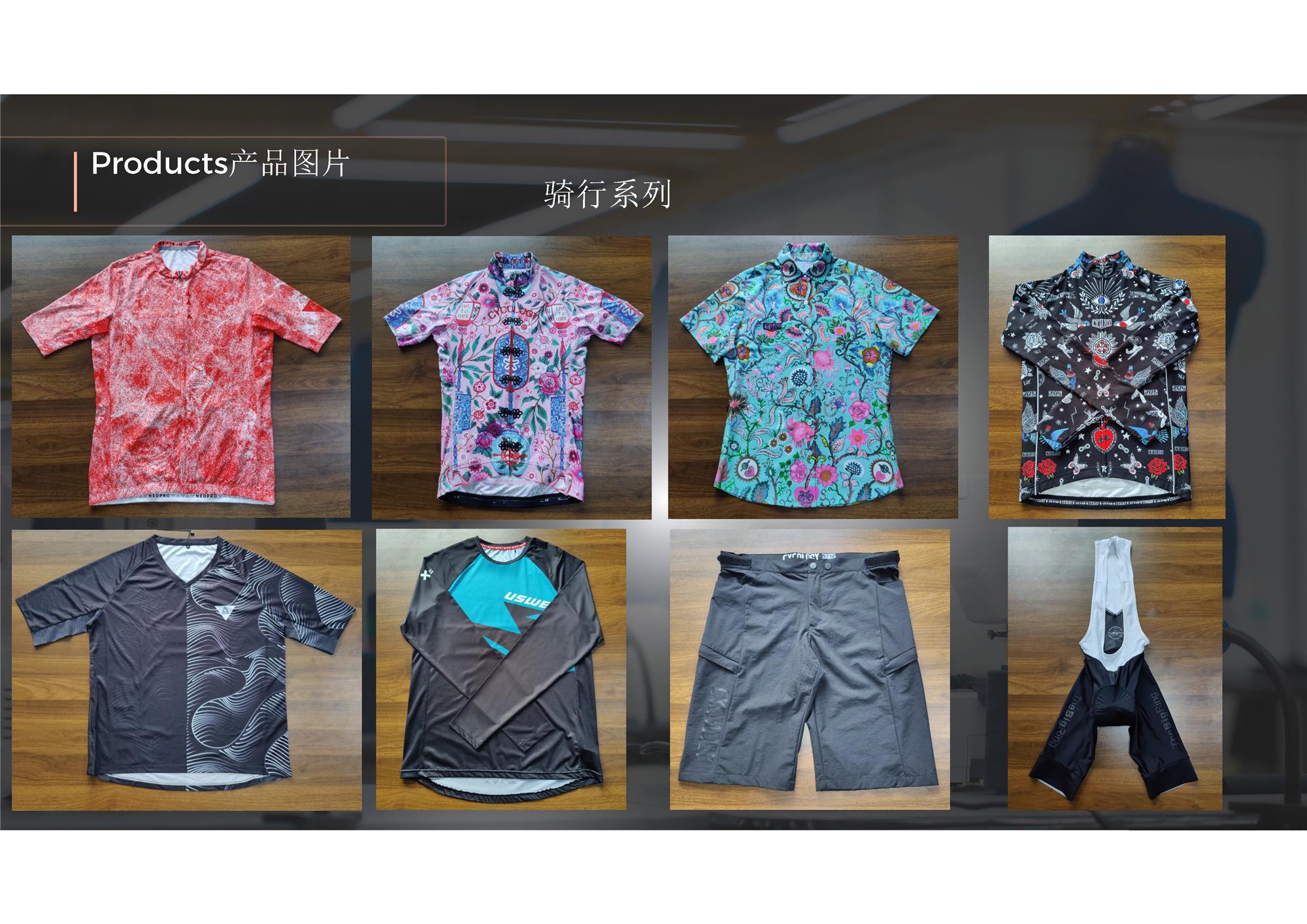
From what many buyers have noticed, the biggest challenge is not finding a factory. It’s finding one that stays reliable over time.
Fabric Handling Is More Complicated Than It Looks
At first glance, a T-shirt or a training set may look simple. But once you get into production, things become more detailed. Sportswear fabrics behave differently. Some stretch too much during sewing. Others lose shape if the tension is wrong. Breathable materials can also be tricky if they are not handled properly during cutting. This is where experience shows.
A manufacturer that works with these materials every day usually develops a feel for them. Not everything is written in manuals. Some of it comes from trial, small mistakes, and adjustments over time. Buyers who have dealt with production issues before tend to value this kind of practical knowledge more than anything else.
Consistency Matters More Than a Perfect Sample
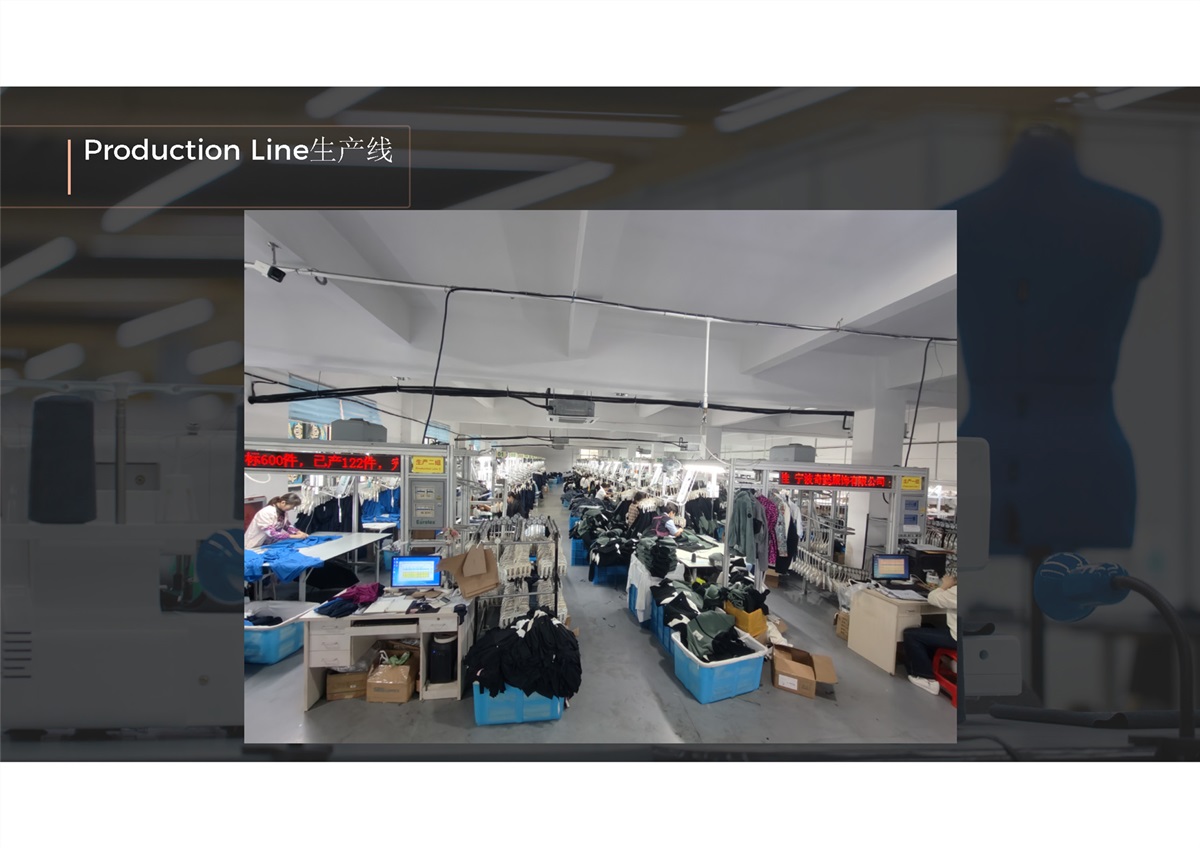
Almost every factory can make a good sample. That part is not difficult. The real question is: can they repeat it? Bulk production is where problems usually appear. Slight differences in stitching, sizing, or finishing can turn into bigger issues when thousands of pieces are involved.
Reliable manufacturers tend to focus on process, not just results. They check fabric before production starts. They monitor sewing during the process. And they don’t wait until the final stage to find problems. It may sound basic, but this is often what separates stable suppliers from the rest.
Flexibility Is No Longer Optional
Markets change fast. One season a product sells well, the next season it needs adjustment. Buyers may ask for small changes — different colors, logo positions, or even fit updates for another region. Sometimes the order size is not large either, especially for new brands testing the market. Not every factory is comfortable with that.
A reliable partner usually finds a way to work around these changes instead of rejecting them. It doesn’t mean saying yes to everything, but it does mean being open to discussion and practical solutions. In reality, flexibility often decides whether cooperation continues or stops after one order.
Communication: Simple, but Often Ignored
Many production issues are not caused by technical problems. They come from miscommunication. For example, a small misunderstanding in measurement standards can affect the entire order. Or delays in fabric sourcing may not be communicated early enough.
Factories that respond clearly and regularly tend to avoid these situations. Even short updates can make a difference. Some buyers actually say they care more about clear communication than fast replies. Knowing what is happening is sometimes more important than speed.
How Ningbo QIYI Clothing Approaches This
Ningbo QIYI Clothing works mainly on casualwear and sportswear, and over time, Our factory has taken a more practical approach to production. Instead of focusing only on output, more attention is given to how each step is handled. Fabric selection, for example, is discussed early, especially when the product is meant for active use. During production, checks are done along the way rather than only at the end. This helps reduce surprises later.
Our factory also handles different customization needs, including private labeling and design adjustments. Some projects are straightforward, others take a bit more coordination, but the goal is to keep the process manageable for both sides.
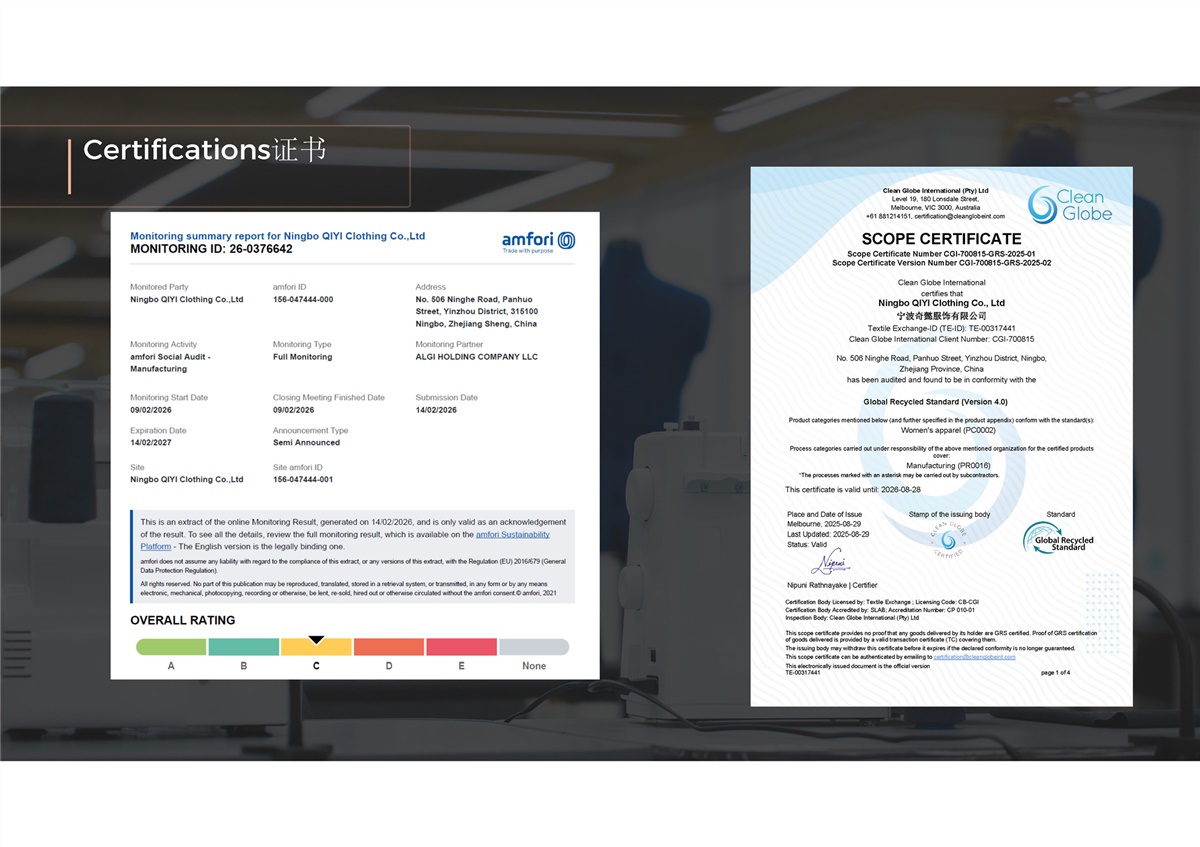
Communication is kept simple. Updates are shared when needed, without making things overly complicated.
Final Thoughts
There is no single rule that defines a reliable manufacturer. Some buyers care about price. Others focus more on quality or flexibility. But in most cases, reliability comes from a mix of small things done well — handling materials properly, keeping production stable, staying flexible, and communicating clearly.
These are not always easy to measure at the beginning. They usually become clear after working together for some time. For brands that plan to stay in the market long term, choosing the right manufacturing partner is less about short-term cost and more about long-term stability.